DemiKoudounis

Screenwriter

Writing the stories that are hardest to tell and most important to hear.

Letterboxd · LinkedIn · Portfolio

What drives the work.

01

Creative

I have always been making things. Writing stories, painting sets, drawing, singing, playing with fashion, dragging people to the movies. Creativity is not just what I do, it is how I think. It shows up in everything, from the scripts I write to the way I see the world. I don't know how to turn it off, and I never want to.

02

Empathetic

I know what it's like to go through something and feel like no one understands. That's the whole reason I write the characters I write. People carrying things they can't quite articulate, who are doing their best and still falling short. I don't want to teach anyone a lesson. I just want someone watching to feel a little less alone.

03

Intentional

Nothing in my writing is there just because. Every silence, every look, every word a character says or doesn't say is a decision. Journalism taught me to be precise. Screenwriting taught me that what you leave out is just as important as what you keep in.

Fragile Reflections

A feature-length drama about a twenty-year-old navigating residential treatment for her eating disorder while fighting to stay in college. A story about the tension between healing and holding your life together.

View Project ↗
Fragile Reflections
Feature-Length Drama
Fragile Reflections
Crossroads
Shortened Feature
Crossroads
TV Spec
Drama Television Spec Episode
The Bear
Poetry
Poetry
A Collection of Works, 2022 - 2026
The Escape
Short Story, 2025
The Escape

What I've Been Watching.

At the core of everything, I am a cinephile. My heart is in film, and everything I write starts with what I watch. Here are some films I've reviewed recently.

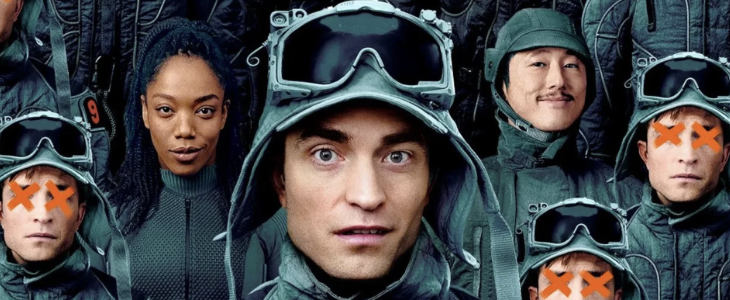
Mickey 17
Sci-Fi · Satire · Bong Joon-ho

Mickey 17

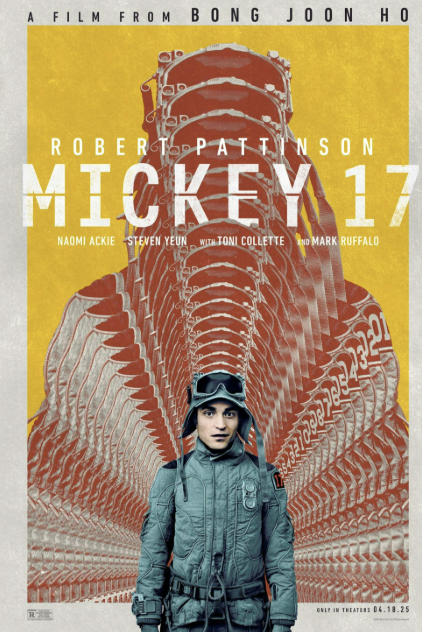
Bong combines high-concept sci-fi with biting political satire through the lives and deaths of one expendable man.

Read
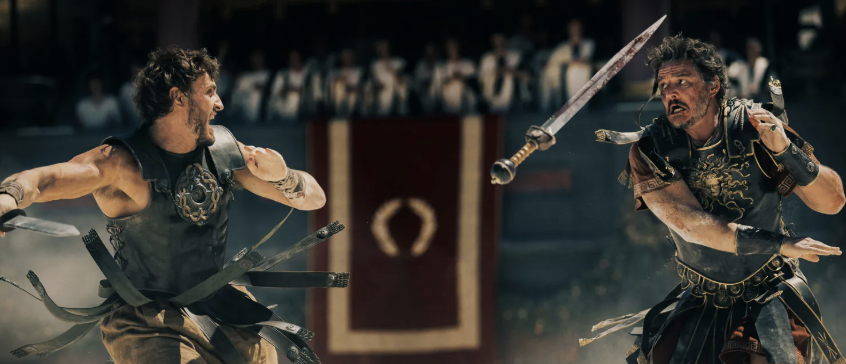
Gladiator II
Epic · Action · Ridley Scott

Gladiator II

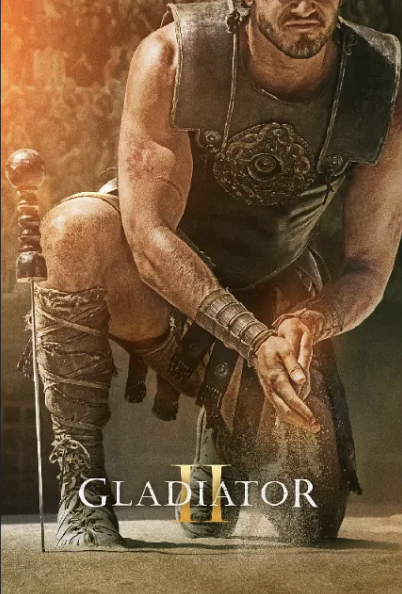
A sequel that mirrors its predecessor too closely, raising the question of whether some stories are best left untouched.

Read
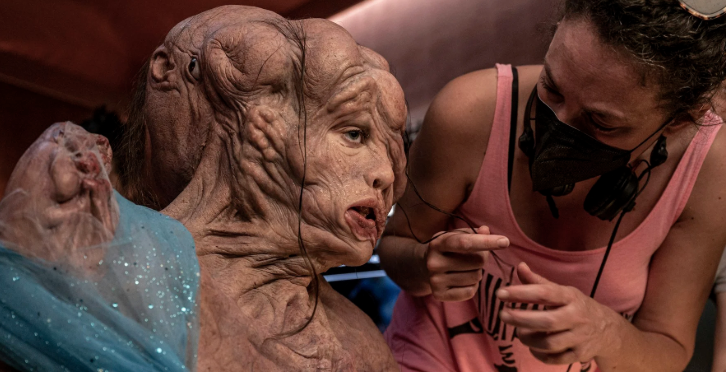
The Substance
Horror · Satire · Coralie Fargeat

The Substance

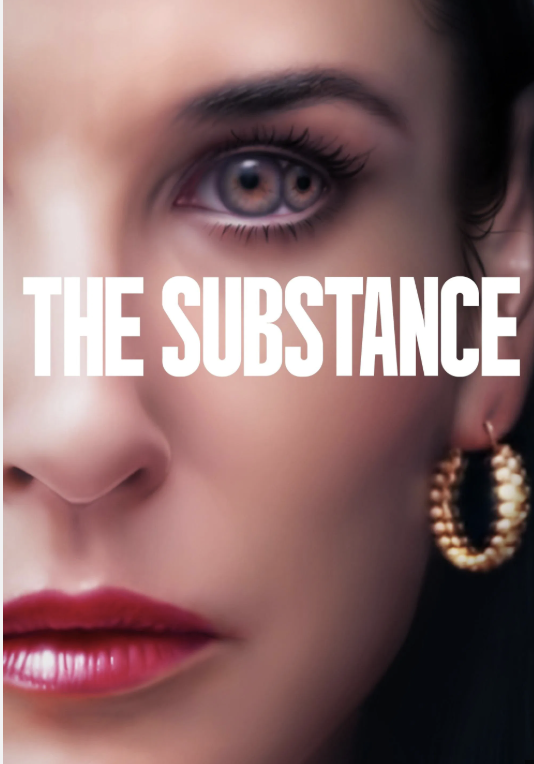
A brilliant, gory satire that holds up a mirror to the beauty standards we know are ridiculous but still can't escape.

Read
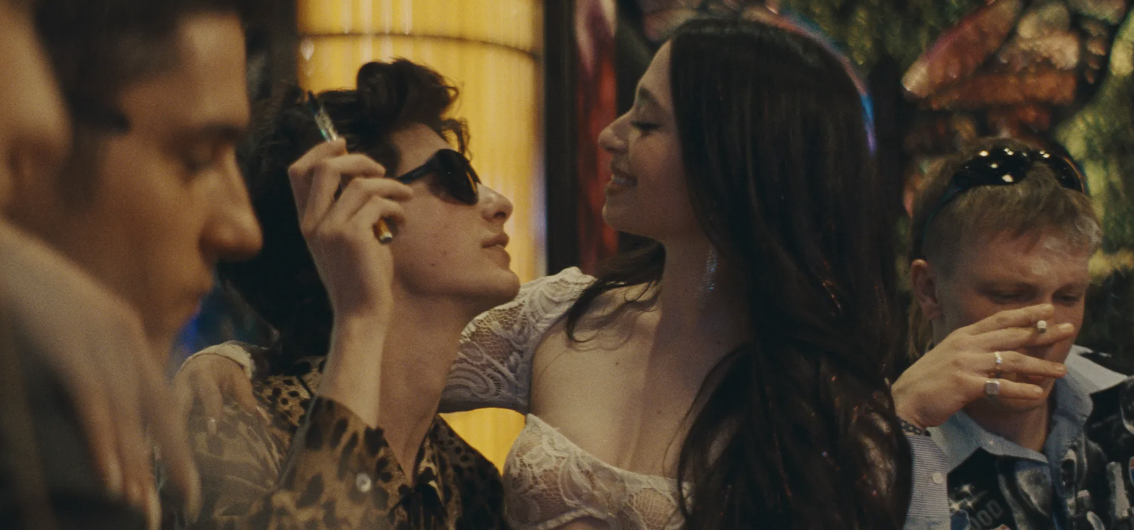
Anora
Drama · Romance · Sean Baker

Anora

A beautifully gritty portrait of a woman whose strength and vulnerability are impossible to separate.

Read
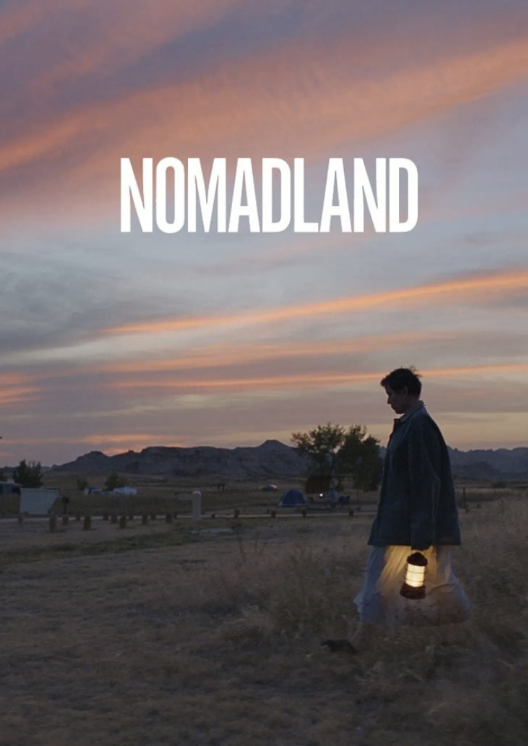
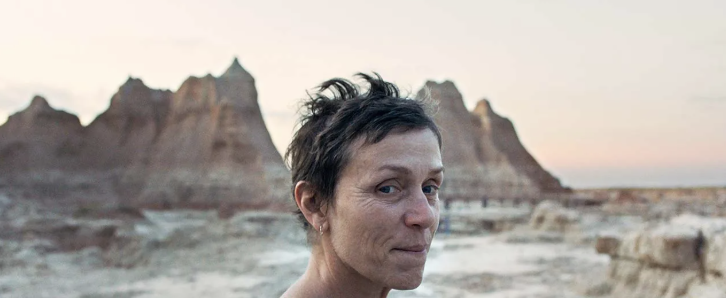
Nomadland
Drama · Character Study · Chloé Zhao

Nomadland

A character study of a woman learning that holding on and letting go can be the same act of love.

Read
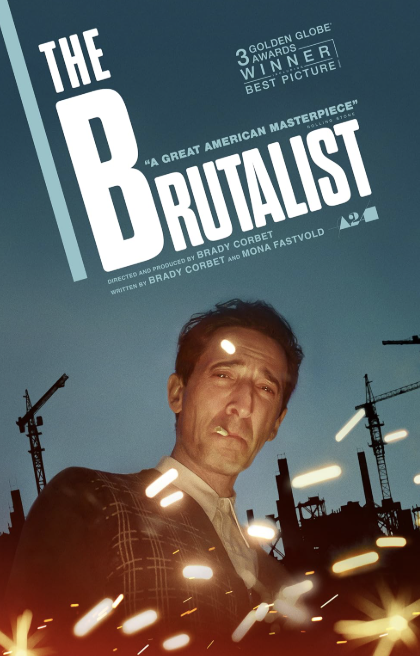
The Brutalist
Drama · Identity · Brady Corbet

The Brutalist

A haunting epic about the cost of staying true to who you are in a country that rewards you for becoming someone else.

Read
Recommend a Film ↗

Storyteller. Screenwriter. Cinephile.

From Chicago, currently finishing film school in Miami. Eventually heading to Los Angeles.

Demi writes character-driven dramas centered on difficult stories that deserve to be heard.

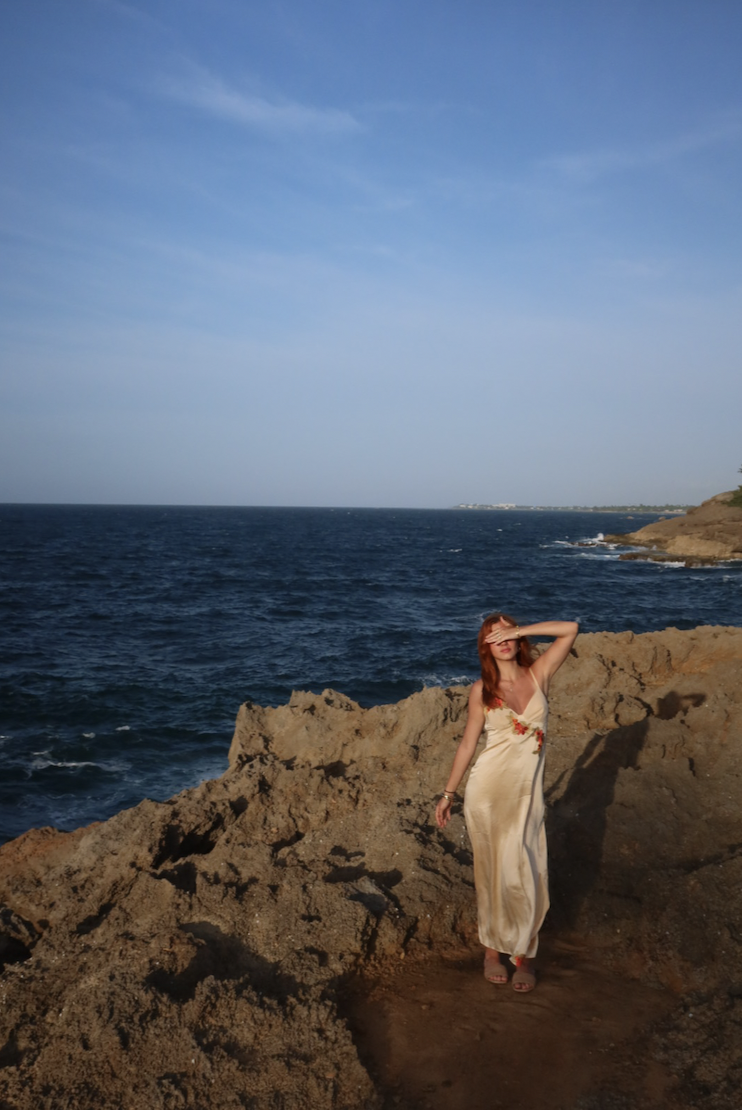
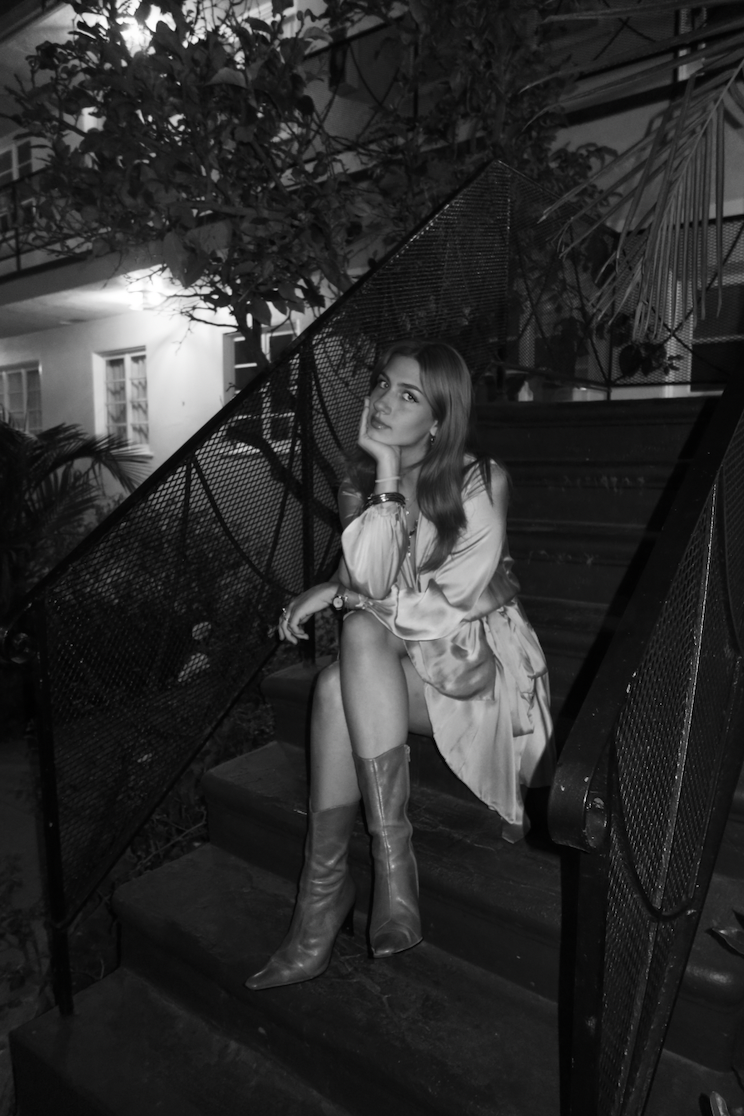
I’m Demetra Alexandra Koudounis, but I go by Demi. I grew up in the city of Chicago, raised in a loud, loving Greek-American family. My heritage is a huge part of who I am. I’m a proud dual citizen of the U.S. and Greece, and growing up between two cultures gave me a front row seat to some of the most vivid, dramatic, heartfelt storytelling you can imagine. Every family dinner was basically a television episode. That world and my personal hardships shaped the way I see stories and the kinds of characters I am drawn to write.

Writing has always been my strength. Before I ever thought about screenwriting, I grew up filling notebooks with novels, short stories, and poetry, staying up way too late trying to finish a chapter. I was also the kid painting theater sets at school, drawing constantly, singing too loud in the car, and dragging my friends to the movie theater every weekend. Creativity has always been the through line. When I found screenwriting, it clicked in a way nothing else had. It combined everything I loved about film with everything I loved about writing, and it became my dream and my purpose.

Writing has also saved me through some of my toughest battles. There were times in my life when I didn’t know how to say what I was feeling out loud, and writing gave me a place to put it. It became more than a passion. It became survival, and then it became power. I’m finishing up my double major in Cinema Studies (Screenwriting) and Journalism at the University of Miami, and studying journalism has only made me a stronger writer. It taught me discipline, precision, how to listen, and how to tell someone’s story with the care and attention it deserves.

I care deeply about representation and about telling the stories that are often simplified or brushed aside. The characters I write carry things they can’t quite put into words. People who are trying, falling short, getting back up. People who deserve to be seen for who they actually are, not reduced to a headline or a lesson. That’s the work that matters to me, and it is the work I will continue to do.

Outside of writing, I am constantly watching films. My criticism feeds my craft directly. Pulling apart how filmmakers build tension, subtext, and character is how I learn to build my own. Letterboxd is my most used app on my phone, and I will die on the hill that we must go to the theater to keep cinema alive. I am happy to do my part.

Demi Koudounis

Taste & Influence

Favorite Genres
Drama Psychological Thriller Romance Character Study
Favorites of the Year
Favorite of the Year 1
Favorite of the Year 2
Favorite of the Year 3
Favorite of the Year 4
My Four Favorites of All Time
All-Time Favorite 1
All-Time Favorite 2
All-Time Favorite 3
All-Time Favorite 4
Standout Scripts
Standout Script 1
Standout Script 2
Standout Script 3
Standout Script 4
Standout Cinematography
Standout Cinematography 1
Standout Cinematography 2
Standout Cinematography 3
Standout Cinematography 4
Films That Speak My Language

The kind of stories I want to tell. If you watch these, you'll understand my work.

Vibe Film 1
Vibe Film 2
Vibe Film 3
Vibe Film 4
Vibe Film 5
Vibe Film 6
Vibe Film 7
Vibe Film 8

Experience & Education

B.A. Cinema Studies (Screenwriting) and Journalism, University of Miami, 2026. Production intern at Thunder Road Pictures and Everlast Pictures. Four years leading set design and construction at Saint Ignatius College Prep.

Resume ↗ See My Work ↗
© 2026 Demi Koudounis
Designed with intention

Fragile Reflections

Role
Screenwriter
Project Type
Feature-Length Drama
Year
2026
Recognition
3rd Place — UMiami Contest, 2024

Logline: Twenty-year-old Alice must navigate the difficulties of residential treatment for her eating disorder as she works towards staying in college.

Request to Read ↗

Crossroads

Role
Screenwriter
Project Type
Shortened Feature
Year
2025
Recognition
2nd Place — UMiami Contest, 2022

Logline: When a chance encounter pulls a young woman back toward the ex who once hurt her, she must confront whether love and change can coexist — or if some roads only lead to the same place.

Request to Read ↗

The Bear

Role
Screenwriter
Project Type
TV Spec
Year
2024

A spec episode written for FX's critically acclaimed series The Bear, created by Christopher Storer. The show follows chef Carmen "Carmy" Berzatto as he returns to Chicago to run his family's sandwich shop, navigating grief, ambition, and the chaos of a professional kitchen. This spec, titled "Last Cigarette," is a Richie-centered episode.

Logline: Left alone to manage the restaurant and his daughter for the day, Richie discovers that the hardest thing to pass isn't a health inspection — it's being the father he keeps promising he'll be.

Request to Read ↗
Mickey 17
Sci-Fi · Satire · Bong Joon-ho

Mickey 17

Life, Death, Repeat

Bong Joon-ho's Mickey 17 is a visually striking and uncomfortably humorous sci-fi film that blends high-concept storytelling with unsubtle political satire. Adapted from Edward Ashton's novel Mickey7, the film takes viewers on an existential journey through the life, or rather lives, of its protagonist, Mickey, played by Robert Pattinson.

Set in a distant future where humanity has begun attempts to establish life on habitable planets, Mickey 17 follows Mickey, an "expendable" worker whose primary role is to take on the most dangerous tasks of the shift, often resulting in his death. Each time he dies, a new version of him is reprinted with all of his memories intact, making him both indispensable and replaceable at the same time. As Mickey begins to question the nature of his existence and the ethics of his purpose, the film builds tension between individual identity and corporate exploitation.

Bong's signature visual style is seen on a large scale, blending impressive sci-fi world-building with intimate, character-driven storytelling. The film's cinematography is both on a large scale and intricate, capturing the loneliness of space while infusing each frame with a realism that closely relates to modern-day political and corporate dilemmas. The production design and special effects elevate the film's world, making it feel both otherworldly and eerily familiar.

While the film carries a serious undertone, it doesn't shy away from humor. Bong masterfully injects satirical comedy, often through Mickey's dry wit and the absurdity of his situation. The humor, at times, veers into biting political commentary, particularly in its portrayal of authoritarian leadership and corporate greed. Some viewers may find its thematic messaging a bit on the nose, but others will appreciate its bold, unapologetic stance.

Mickey 17 is a bold, thought-provoking film that combines sci-fi entertainment with unsubtle social commentary. Whether you are drawn to its stunning visuals, dark humor, or existential questions, Mickey 17 is a film worth watching and discussing.

My Rating
★★★
Recommend a Film ↗
Gladiator II
Epic · Action · Ridley Scott

Gladiator II

Sequels, are They Really Necessary?

Ridley Scott's Gladiator II attempts to match the greatness of his first film, Gladiator, but ultimately falls short, delivering a narrative that feels more like a copy than a fresh continuation. Set 16 years after Maximus's death, the film centers on Lucius Verus, played by Paul Mescal, who, after losing his wife, finds himself in the brutal world of the Colosseum, mirroring Maximus's journey in the original.

One of my biggest issues with Gladiator II is its reliance on the original film's plot format. The storyline almost perfectly mirrors the original, resulting in a sense of déjà vu rather than innovation. While the original Gladiator offered an incredibly compelling narrative of betrayal and revenge, the sequel seems to just rehash these themes without adding significant depth or new perspectives.

Despite my issue with the narrative, I did enjoy the casting choices. Paul Mescal delivers a solid performance as Lucius, capturing the internal conflict of a man torn between vengeance and duty. However, it is Denzel Washington's portrayal of Macrinus that truly stands out. Washington's character has depth and complexity that others lack, while also adding something new to the film.

Cinematography-wise, Gladiator II is a mixed bag. The film's costume and set designs are impressive and completely transport viewers to ancient Rome. That said, the reliance on CGI, particularly in animal depictions and large crowd scenes, distracts from the overall experience. The digital effects often feel overly unrealistic, leading to moments that pull the audience out of the story. The inclusion of CGI animals, such as killer monkeys and sharks, feels unnecessary and takes away from the grounded brutality that characterized the original film. These choices introduce a level of absurdity that undermines the film's serious tone.

In conclusion, Gladiator II serves as a testament to the challenges inherent in crafting a sequel to a beloved classic. While it offers moments of spectacle and strong performances, it ultimately suffers from a lack of originality. The film follows the original too closely, lacking innovation. Some stories are best left as singular achievements, and Gladiator II exemplifies the risk of attempting to replicate past successes without bringing new insights to the table.

My Rating
★★
Recommend a Film ↗
The Substance
Horror · Satire · Coralie Fargeat

The Substance

A Mirror You Can't Look Away From

Coralie Fargeat's film The Substance is a brilliant satire filled with commentary on unrealistic beauty standards for women, focusing on how age affects worth and value. The film uses comedic elements to advance the storyline. Paired with horror, thriller, and drama, the comedy in this film works perfectly to push the point that these expectations are ridiculous, unrealistic, and painfully relatable.

The film's satire targets the industry as a whole and women of all ages. One scene that really stood out to me, particularly, was when Demi Moore's character, Elizabeth Sparkle, misses her date with Fred because she compares herself to Margaret Qualley's character, Sue, and ultimately decides she is not pretty enough to leave the house. This scene was incredibly annoying and frustrating, and I found myself yelling at Elizabeth through my screen, which I think was the whole point. It felt highly hypocritical for me to be yelling at Elizabeth, telling her just to go and that she looks beautiful, when I have experienced the same feelings and emotions several times in my own life. That scene, in particular, does a fantastic job of showcasing just how ridiculous it is for a woman to compare herself to someone so different from herself and to allow that to keep her from chasing her own joy and feeling beautiful in her own skin.

Another aspect of The Substance that stood out was its depiction of the physical and emotional toll of pursuing unrealistic beauty standards. The film doesn't shy away from showing the extremes women go to to maintain youth and desirability, and although this is exaggerated, how far off is it really? The horror elements enhance this by making the pursuit of perfection feel gory and unsettling. There are moments when the film is incredibly gory, but the discomfort serves a purpose, forcing the audience to confront the real-life harm caused by these unrealistic standards. The film clarifies that this isn't just an individual struggle but a systemic issue reinforced by media, Hollywood, and society as a whole.

The performances in the film help to carry its message. Demi Moore delivers a heartbreaking and incredibly layered portrayal of Elizabeth Sparkle. Margaret Qualley's Sue, on the other hand, represents the younger generation that benefits from these impossible beauty standards, even as she is eventually caught in the cycle. It goes to show that no matter how old you are, the standards set for women are unrealistic, unachievable, and immensely harmful. Their dynamic highlights the tension between women pitted against each other rather than supported by an industry that thrives on their insecurities.

Ultimately, The Substance is fantastic because it doesn't just criticize the beauty industry but also forces viewers to reflect on how they fit into the equation. The film sticks in the mind long after the credits roll, not just because of its intense visuals or shocking moments, but because it holds up a mirror to the audience. It asks us to question our perceptions of beauty, worth, and aging, making it one of the most effective and thought-provoking films I have seen in a very long time.

My Rating
★★★★
Recommend a Film ↗
Anora
Drama · Romance · Sean Baker

Anora

Strength, Vulnerability, and Everything in Between

Sean Baker's Anora is a beautifully gritty film that doesn't shy away from exploring the complexities of human relationships and self-perception. Mikey Madison's portrayal of Anora is nothing short of mesmerizing. She's layered, headstrong, and emotionally raw, but also a character full of contradictions. One of the most interesting aspects of Anora is her relationship with Mark Eydelshteyn's character, Ivan. From the start, it's clear that while Ivan is devoted to and provides for her, Anora doesn't truly love him. She loves what he represents: stability, validation, and a sense of being desired in a way that feels out of reach for her otherwise chaotic life.

Ivan provides Anora with everything she thought she could never have. He's kind, supportive, and unwavering in his affection for her, which seems like a dream to someone like Anora. He gives her a break from her visually exhausting everyday lifestyle, but her attachment to him feels superficial, almost transactional. She's not in love with him; she is in love with what he makes her feel about herself, and she takes it and runs with it. It's as if she is trying to build a life with Ivan that she thinks she should want, even though her heart isn't truly in it, at least in the beginning. That disconnect makes their relationship feel doomed from the start. You can sense that she knows it, even if she doesn't want to admit it to herself.

Anora is an undeniably strong character, but she is also deeply flawed and shaped by her lifestyle. I found myself wishing we knew more about where she came from, what events or relationships led her to where she is when we meet her in the film. Her choices and demeanor suggest she's been through a lot, and understanding that backstory would have added even more depth to her character. Instead, we are left piecing it together through her actions, which are often contradictory. She's fiercely independent but relies on others for emotional and financial stability. She seems confident but struggles with her self-worth. All of this makes her fascinating to watch but also frustratingly complex. This is such impressively real human complexity.

The film's ending is where things really hit home for me. When Anora feels obligated to thank Yura Borisov's character, Igor, by having sex with him, it's a gut punch. It's a moment that shows how much her lifestyle and choices have warped her understanding of love, gratitude, and self-respect. She uses this act to show her appreciation in the only way she feels she can. It's heartbreaking because it reveals how much she's internalized the idea that her value lies in what she can offer physically, not emotionally. By the end, you can see that she's overwhelmed by everything. Her choices, her relationships, and her vision of herself have all spiraled out of control, leaving her hurt and lost.

Anora is a film that leaves you with heartache. It is both written beautifully and visually stunning. Anora's strength and resilience are undeniable, but they're laced with vulnerability and pain that make her both compelling and tragic. She's a character you want to understand better, even as you watch her unravel.

My Rating
★★★★
Recommend a Film ↗
Nomadland
Drama · Character Study · Chloé Zhao

Nomadland

The Development of Fern

A character study

Chloe Zhao's Nomadland introduces viewers to the quietly adventurous Fern, a woman who lives out of her van as a nomad, traveling to seek experiences and a new atmosphere. Viewers start to see Fern as a reserved woman who mostly keeps to herself. She seems determined to find short-term work to fill her time and possibly ease her loneliness. The film showcases a multitude of wide-angle nature shots that, by contrast, make Fern seem smaller and lonelier than she is perceived to be. The screen is frequently filled with beautiful imagery, and the cinematography quickly becomes some of the best I have ever seen.

As the film progresses to Act Two, viewers begin to discover more about Fern and her past, which we learn heavily dictates her lifestyle and behavior. It is learned that Fern lost her husband, and that it was a long battle with him being very ill. It is clear that this loss has a lasting effect on Fern, leading her to lack the desire to find someone to keep her company. It seems that Fern runs into the issue of having to leave her few friends behind as she moves from place to place, spacing out her time with them based on where she parks her van. The constant travel time and frequent change of scenery clearly make Fern lonely, yet she continues to live the lifestyle. It seems that no matter how much or how little time she spends with the company, she still ends up alone. This finding makes clear that Fern values the freedom of life as a nomad more than the privilege of staying in one place with people who care for her. It seems she would rather struggle to find new jobs and parking than be tied down somewhere, yet viewers are not shown the reason for this at this point.

Act three showcases Fern at an entirely different angle. Viewers now see a caring side to Fern that was not brought into light before this point. It is clear that no matter how little Fern has, she always finds a way to share. A clear example of this is when she not only gives a young nomad a cigarette but also her lighter. Even later in the film, she meets this boy again and immediately offers him part of her meal. We see her helping her friend Dave while he is in the hospital, and sharing time and goods with her friend Linda May in her final months of life. By speaking with different nomads about their life experiences and seeking their wisdom, viewers learn that much of her lifestyle stems from her efforts to hold on to the life she had with her husband. As the film progresses, her growth becomes more and more apparent as we watch her slowly start to let go of a bit of the pain she carries with her every day. In an eye-opening conversation with an inspirational nomad, Fern comes to realize she has spent too much of her life dwelling on the past. She is seen recognizing that she must live amongst the future, and deal with her loss in order to feel a sense of release from it. Viewers learn that she wanted to stay in Empire, the town where she lived with her husband, so that he would be forever remembered. She let his memory anchor her life without allowing herself to experience moments without him. This conversation served as a turning point in the film, and important lessons found their way into the words spoken.

The film ends with scenes of Fern back in Empire, visiting the town and setting foot onto the grounds of the house from her past. These scenes have significant meaning, as they showcase Fern taking her final steps toward moving forward with her life. In order to progress, she had to say a final goodbye. This ending foreshadows a future in which Fern will be more accepting of the company of those who love her, and the beginning of a life centered not only on her peace but also on her happiness with those around her.

My Rating
★★★
Recommend a Film ↗
The Brutalist
Drama · Identity · Brady Corbet

The Brutalist

Staying True to One's Heritage

Brady Corbet's The Brutalist, directed with an incredibly artistic and haunting beauty, is a homage to identity, survival, and memory. In a film where architecture becomes metaphor, the main character, László Toth, a Hungarian Jewish architect, struggles not only to rebuild his career after fleeing war-torn Europe but also to preserve the essence of who he is in a country that demands adaptation. In its sweeping and often painful narrative, The Brutalist poses a difficult question: how can one remain faithful to their heritage when the new world seems to offer success only at the cost of erasure?

At the center of the film is László's battle to maintain his cultural and artistic identity. His architectural style, clean, monumental, and informed by the trauma of the Old World, stands in stark contrast to the American postwar optimism that surrounds him. László's early commissions are compromises; he builds what his wealthy clients want, suppressing his own vision to survive. Yet even as he grows professionally, the film shows him becoming spiritually lost. His separation from his heritage is mirrored in his personal life, where his marriage deteriorates, and his memories of Europe grow more ghostly and fragmented.

The rape scene, one of the film's most brutal moments, encapsulates the larger theme of violence against identity. Harrison Lee Van Buren's chilling words echo throughout the film long after the scene ends. Here, the violence is not just physical but existential. László is blamed for his own victimization, suggesting that in America, even suffering must be repackaged into a narrative of self-inflicted failure. The scene brutally underlines the film's core argument: heritage is a double-edged sword. It is a source of strength but also a vulnerability in a world eager to exploit differences.

László's ultimate return to a purer form of his architecture is the film's quietly triumphant resolution. After years of building glamorous but meaningless structures, he accepts a commission for a public housing project and pours his authentic vision into it. These new buildings are stark, imposing, and heavy with history. The world may have changed, but through this work, László reclaims his heritage without apology. His architecture, once forced to adapt, now dares to stand against the grain.

The Brutalist does not offer easy answers about how to stay true to one's heritage. László's journey is filled with pain, compromise, and loss. But the film argues that authenticity is not about isolation or nostalgia; it is about enduring change without forgetting the past. In this way, The Brutalist becomes not just a story about an architect, but about the universal human need to honor where we come from, even as the world demands we build something new.

My Rating
★★★★
Recommend a Film ↗
Poetry · 2022 - 2026

Poetry

A Collection of Works

My poetry pulls from the same well that feeds everything else I write. They are personal, raw, and rooted in the same themes that drive my scripts: identity, loss, love, and the things we carry but rarely say out loud.

Request to Read ↗
Short Story · 2025

The Escape

Role
Writer
Project Type
Short Story
Year
2025

Logline: A young musician trapped in an abusive relationship finds a brief moment of freedom at a concert, only to return home to the worst night of her life, and the first step toward finally leaving.

Request to Read ↗

Get In Touch

Interested in reading a script, working together, or just want to talk film? Send me a message and I'll get back to you.

Or email directly

demikoudounis@gmail.com